As COP31 Approaches: Towards a New Era of Climate Action
Climate change is no longer simply an environmental challenge of the future. Today, it directly influences decisions across the economy, from production and energy consumption to resource use, waste management, and corporate sustainability strategies.
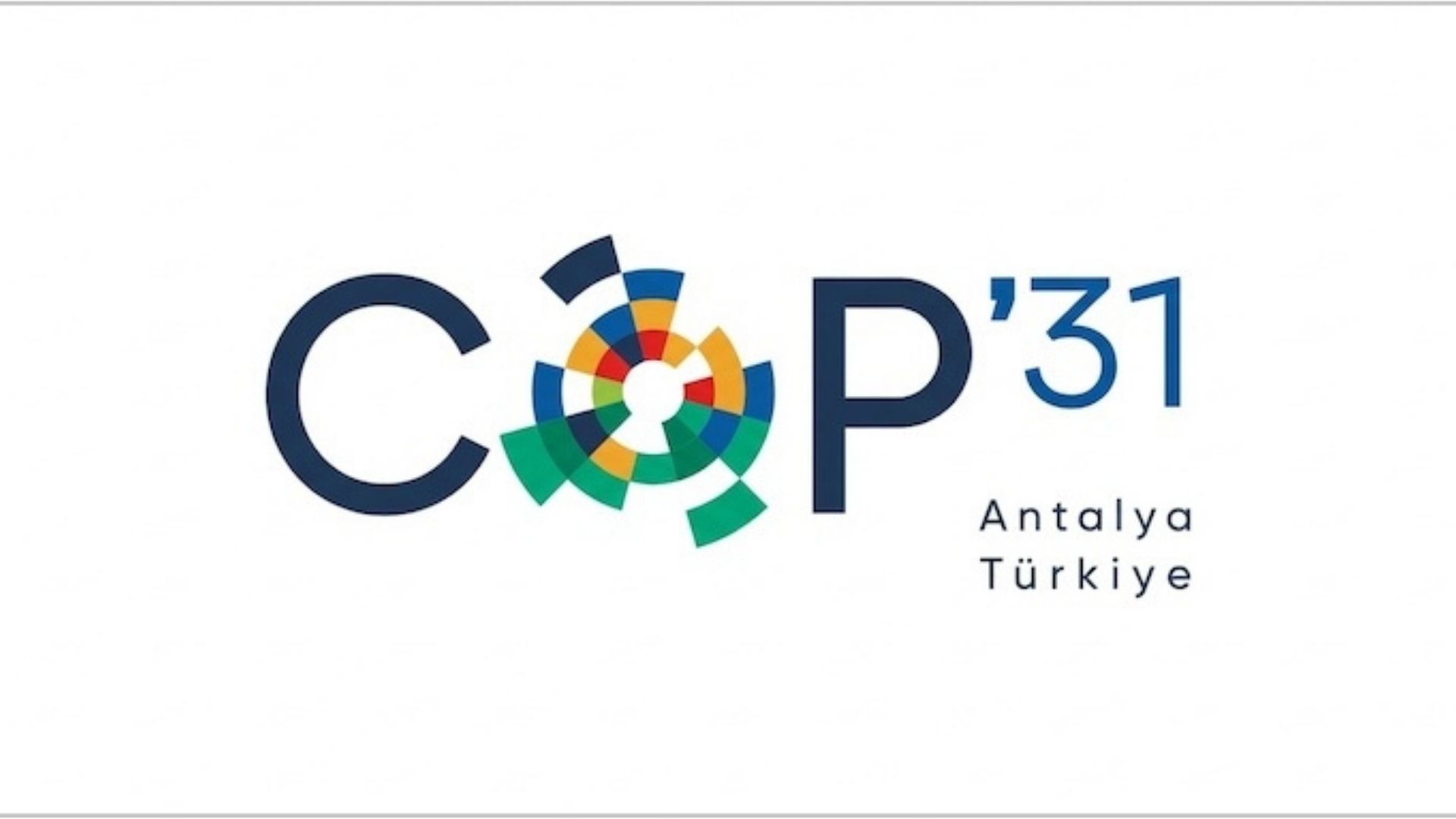
One of the most important global gatherings addressing this challenge, the United Nations Climate Change Conference COP31, will take place in Antalya, Türkiye, from 9 to 20 November 2026. Hosted by Türkiye, the conference will bring together countries, international organizations, businesses, and other stakeholders to advance global climate action.
As COP31 approaches, one question is becoming increasingly important: How can climate commitments be transformed into measurable and actionable results?
Why Does COP31 Matter?
COP, or the Conference of the Parties, is the annual United Nations climate conference where countries come together to discuss global action against climate change.
These conferences address critical issues such as greenhouse gas emission reductions, climate adaptation, climate finance, national climate commitments, and international cooperation.
COP31 holds particular significance for Türkiye. With Antalya becoming one of the centers of global climate diplomacy, the conference provides an important opportunity to bring greater visibility not only to national climate policies but also to the sustainability transformation taking place across the private sector.
From Climate Targets to Measurable Action
Today, corporate sustainability requires much more than announcing environmental targets.
Organizations increasingly need to calculate their carbon footprints, monitor Scope 1, Scope 2, and Scope 3 emissions, improve resource efficiency, integrate circular economy principles into their operations, and support their sustainability performance with reliable data.
For businesses, the road to COP31 therefore represents an important period of preparation.
The question is no longer only, “How much do we aim to reduce our environmental impact?” Organizations must also be able to answer: “How accurately are we measuring our current impact, where are we improving, and what data can we use to demonstrate this progress?”
Waste Management Is Part of Climate Action
When we think about climate action, energy and transportation emissions often come to mind first. However, the way resources are consumed and waste is managed is also an important part of the transition.
Electronic waste, in particular, has significant potential within the circular economy because of the valuable and critical raw materials contained in electronic products.
Extending the lifespan of electronics, encouraging reuse, ensuring proper collection, and recycling end-of-life devices can help reduce the need for virgin raw materials and contribute to more efficient resource use.
In this context, sustainable waste management goes far beyond simply placing waste in the correct bin. Waste needs to be tracked from the point of collection to recycling, its quantity needs to be measured, and its environmental impact needs to be transformed into meaningful data.
Digitalization Is Accelerating the Sustainability Transition
Managing environmental impact is difficult without reliable measurement.
Digitalization is therefore playing an increasingly important role in corporate sustainability strategies. Tracking emissions, waste streams, and environmental performance indicators through digital systems helps organizations better understand their current position, identify areas for improvement, and report their sustainability performance more transparently.
At Mol-e, we place technology at the center of this transformation. Through our digital infrastructure, we help make electronic waste traceable from collection to recycling, while enabling organizations to measure and manage their waste and environmental data more effectively.
By combining technology, data, and circular economy principles, we aim to make environmental action not only more efficient but also more measurable and transparent.
On the Road to COP31: From Commitments to Results
As COP31 approaches, one of the most important priorities on the sustainability agenda will be turning commitments into tangible action.
For organizations, this transformation covers a wide range of areas—from accurately calculating emissions and improving resource efficiency to recovering waste and building reliable sustainability data systems.
COP31, taking place in Antalya from 9 to 20 November 2026, will be more than a global meeting on climate change. It will also provide an important platform for accelerating the transition from sustainability targets to measurable action.
At Mol-e, we believe that technology, reliable data, and circular economy solutions will play a critical role in building a more sustainable future. As the world moves toward COP31, we will continue working to make environmental impact more measurable, traceable, and actionable.