
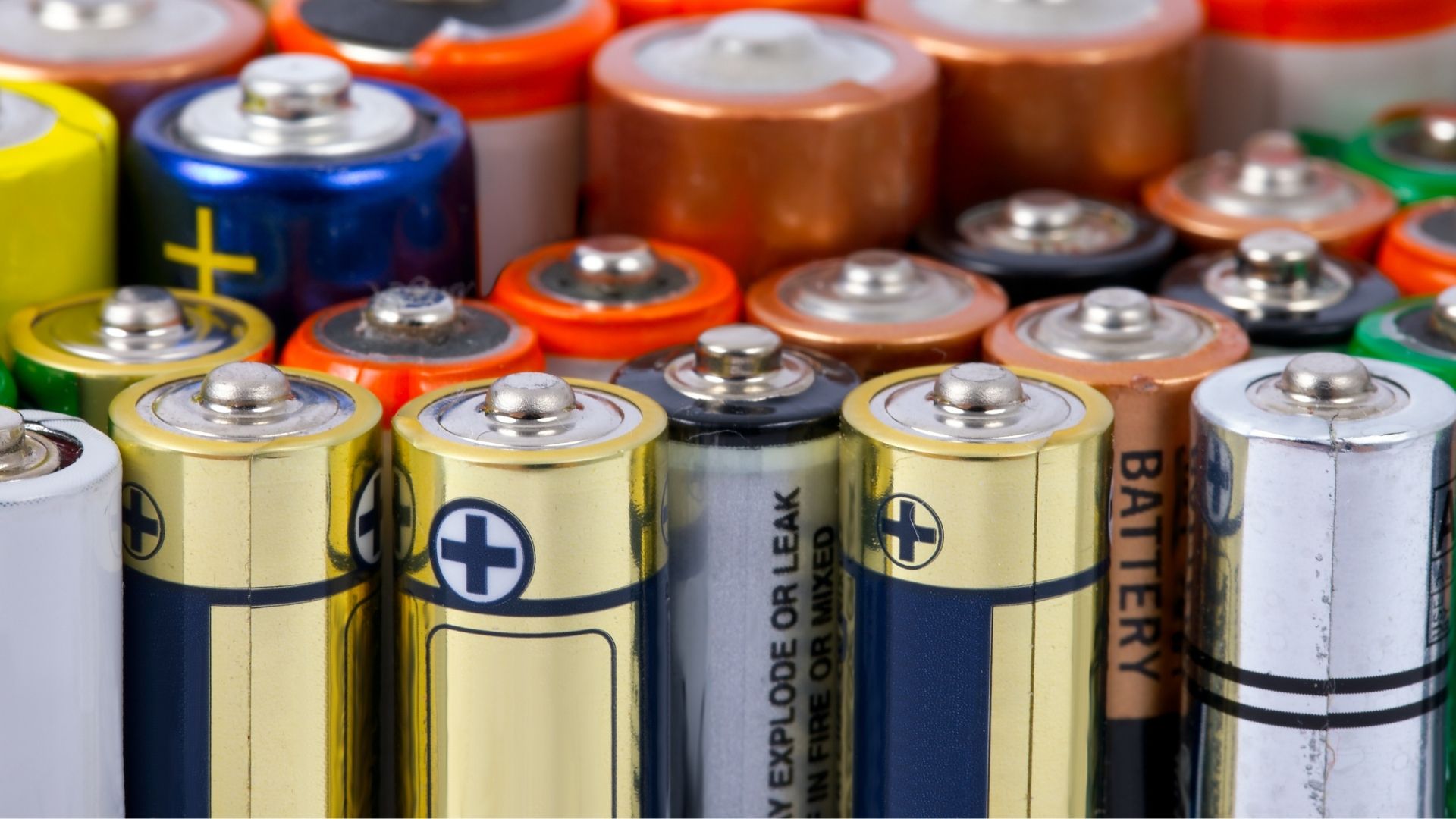
Why Should We Recycle Batteries?
Why Are Batteries Dangerous?
Batteries contain heavy metals such as mercury, lead, and cadmium, which are highly harmful to both the environment and human health. When discarded carelessly, these chemicals can leak into the soil, water, and air, damaging ecosystems and living beings.
♻️ Why Is Recycling Essential?
1. Prevents Soil and Water Pollution
When batteries are thrown in the trash, they decay and release harmful substances into the ground. These toxins can reach groundwater, contaminating drinking water and agricultural lands.
2. Conserves Natural Resources
Recycling allows us to recover valuable metals like zinc, nickel, and cobalt. This reduces the need for new mining operations and helps preserve our finite natural resources.
3. Saves Energy
Producing new batteries requires significantly more energy compared to recycling used ones. By recycling, we reduce carbon emissions and support climate action.
🚫 What Happens If We Don’t Recycle?
- Mercury leakage reduces soil fertility.
- Lead and cadmium pose severe health risks, especially to the nervous system.
- Increased risk of fire: improperly discarded lithium batteries can cause landfill fires.
- Long-term, irreversible ecological damage.
🌱 Recycle and Earn with Mol-e!
Mol-e offers a seamless solution for both individuals and businesses to recycle electronic waste and batteries in a sustainable way.
With Mol-e, you can:
- Analyze your e-waste and get instant price offers.
- Recycle safely through licensed facilities.
- Turn your recycling into reward points or donations.
- Reduce your carbon footprint and make a real impact.
🌟 Start making a difference today for a cleaner, greener tomorrow.
📱 Visit Mol-e’s website for more information and smart solutions.