February Zero Waste Theme Plan: Electrical, Electronic, and Metal Waste
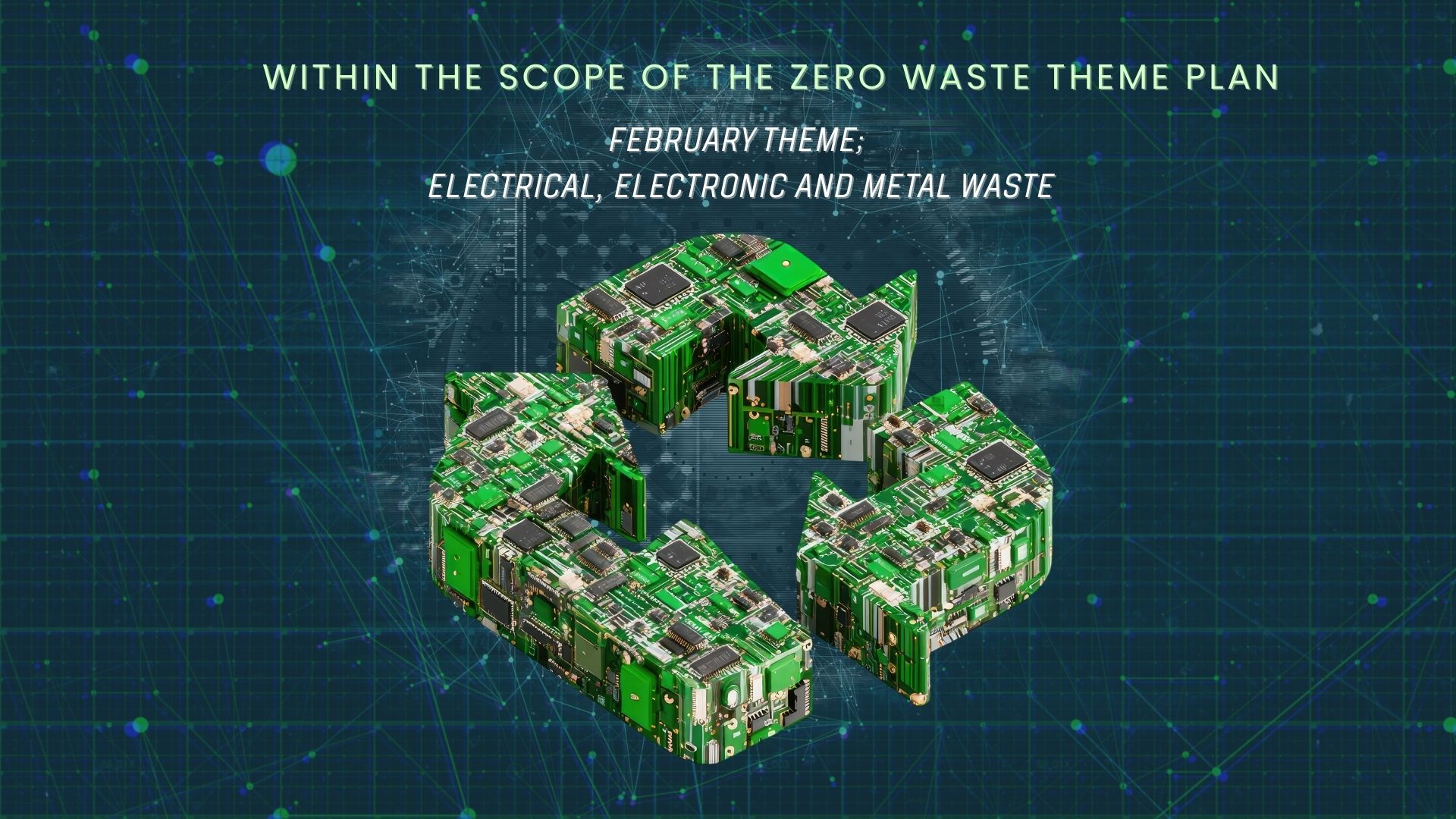
As we continue our zero waste journey, we focus on a different waste group each month to reduce our environmental footprint. Within the scope of the February theme plan, we are turning our attention to electrical, electronic, and metal waste—items that are indispensable parts of modern life but pose significant risks to nature when disposed of improperly.
Why Electrical, Electronic, and Metal?
With the rapid advancement of technology, electronic waste (e-waste) has become the fastest-growing waste category in the world. These items are not just plastic and glass; they contain precious metals like gold, silver, and copper, as well as hazardous substances like lead and mercury. Metals, on the other hand, are the "infinite loop" heroes of recycling; they can be processed repeatedly without losing their quality.
February Action Plan: What Should We Do?
Throughout this month, you can participate in the plan by following these steps at both individual and corporate levels:
1. Drawer and Storage Audit: Identify old phones, broken charging cables, expired headphones, and small household appliances that are no longer in use. When these devices sit in a drawer, they are "waste"; when they enter recycling, they become "raw materials."
2. Segregation of Metal Waste: Separate food cans, beverage tins, metal lids, and aluminum foils from regular household trash. Recycling metals saves up to 95% of the energy required to produce them from scratch.
3. Pay Attention to Hazardous Waste (Batteries): Batteries are the most critical part of electronic waste management. To prevent the chemicals they contain from leaking into the soil, never throw batteries in the trash. Always collect them in a separate container and take them to designated battery collection points.
4. Remember the Culture of Repair: When a device breaks down, check if it can be repaired before discarding it. Extending the lifespan of a product is the most effective zero waste method.
The Power of Transformation is in Your Hands
Every piece of waste you sort within the framework of the February plan directly contributes to the protection of our natural resources. The amount of gold recovered from recycling one ton of e-waste is significantly higher than that extracted from one ton of gold ore. By placing metals and electronics in the correct bins, you help ensure these valuable resources are returned to the economy rather than buried in the ground.