The Hidden Treasures Inside Electronic Waste
Your old phone, your broken laptop, that pile of cables you never use… Do you think they're worthless junk? Think again. That pile of electronics in your trash is actually a mine.
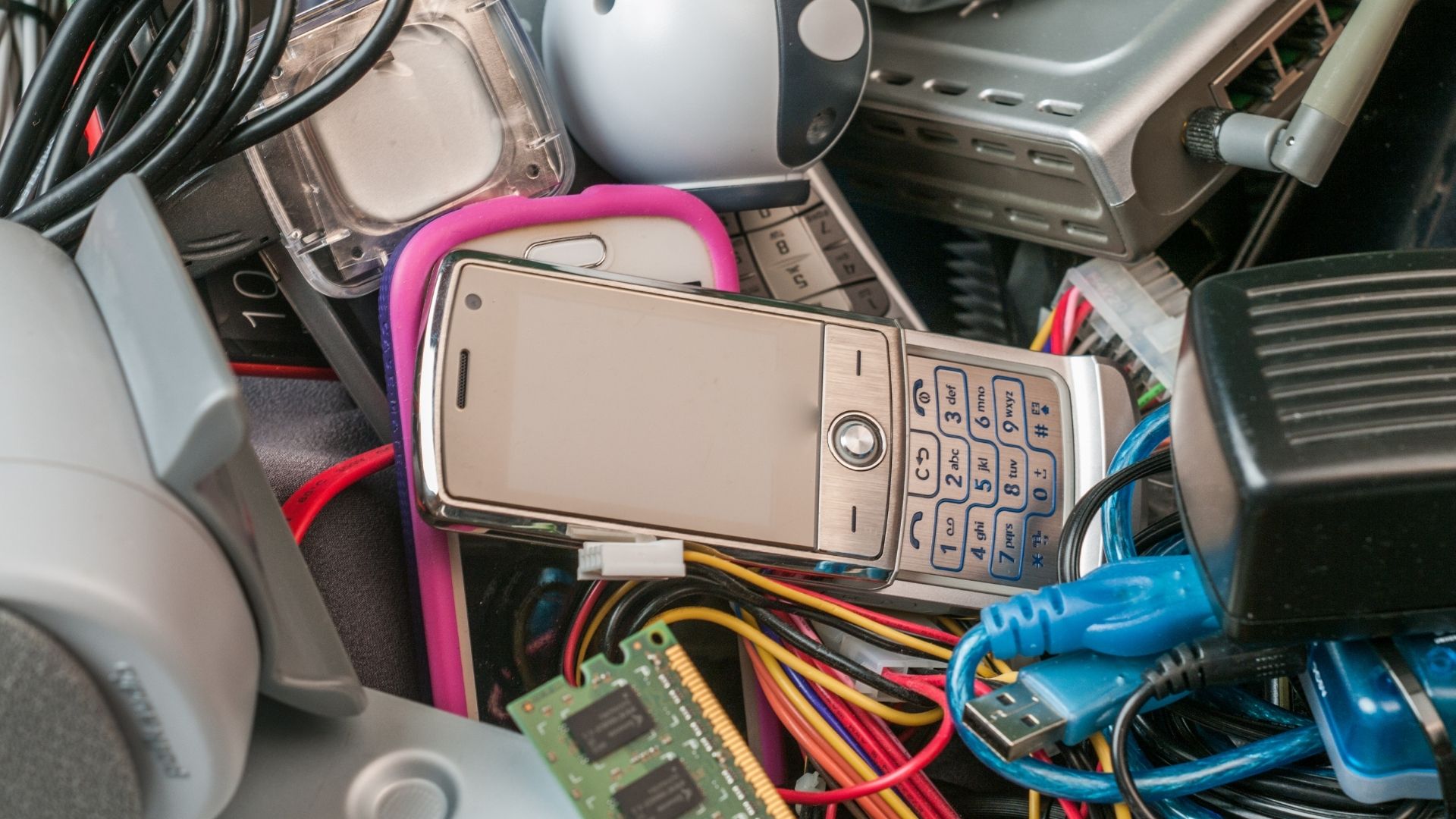
The world generates approximately 62 million tons of electronic waste every year — the equivalent of a container overflowing every 4 seconds. So what's inside? Not just cracked screens and circuit boards, but extraordinarily valuable materials: gold, silver, copper, platinum, and rare earth elements.
How much precious metal is in a smartphone?
A modern smartphone is like a miniature chemistry lab. Dozens of elements sourced from every corner of the globe go into making one. Here are just a few of them:
Gold (Au): Used in circuit connections. Approximately 300 grams of gold can be recovered from one ton of mobile phones — a concentration 16 times higher than in a typical ore deposit.
Silver (Ag): Found in conductive adhesives and screens. Present at 11 times the concentration of natural ore deposits.
Copper (Cu): Widely used in cables and PCB boards. E-waste is considered one of the world's richest sources of copper.
Platinum (Pt): Used in hard disk components. More valuable per gram than gold.
Indium (In): An essential raw material for touchscreens. An extremely rare element produced in only a handful of countries.
Cobalt (Co): A core component of lithium-ion batteries. A critical raw material for the electric vehicle and energy storage industries.
These aren't trace amounts — they exist at industrially meaningful concentrations. According to the World Economic Forum, the recoverable value in e-waste exceeds $62.5 billion per year — more than the GDP of many countries.
What is "urban mining"?
The process of recovering these valuable resources from electronic waste is called urban mining. Unlike conventional mining, it doesn't blast through mountains or destroy ecosystems. Instead, it brings a resource that already exists back to life.
"One ton of electronic waste contains 40 to 800 times more precious metal than one ton of ore." — UNEP, 2023
Japan produced the medals for the 2020 Tokyo Olympics entirely from metals recovered from e-waste. Metal collected from 78,985 tons of electronic devices was transformed into 5,000 medals — proof that urban mining is not symbolic, but a genuine industrial force.
Is not recycling actually more expensive?
Unfortunately, yes. Dumping electronic waste isn't just a loss of valuable material — it's an environmental burden. Toxic substances like lead, mercury, and cadmium leach into soil and groundwater. The cost of cleaning that up can be dozens of times higher than the cost of recycling in the first place. For businesses, the picture is even clearer: the EU's WEEE Directive and regulations in Turkey require companies that generate above a certain volume of electronic waste to register and report. Non-compliance doesn't just mean fines — it means reputational damage.
The electronic waste in your hands is a mine waiting to be tapped. The difference lies in what you choose to do with it.
Turn your e-waste into value
Mol-e connects your company's electronic waste to licensed facilities through Turkey's independent e-waste marketplace — getting you instant offers, generating your carbon report, and tracking the entire process with full transparency.