
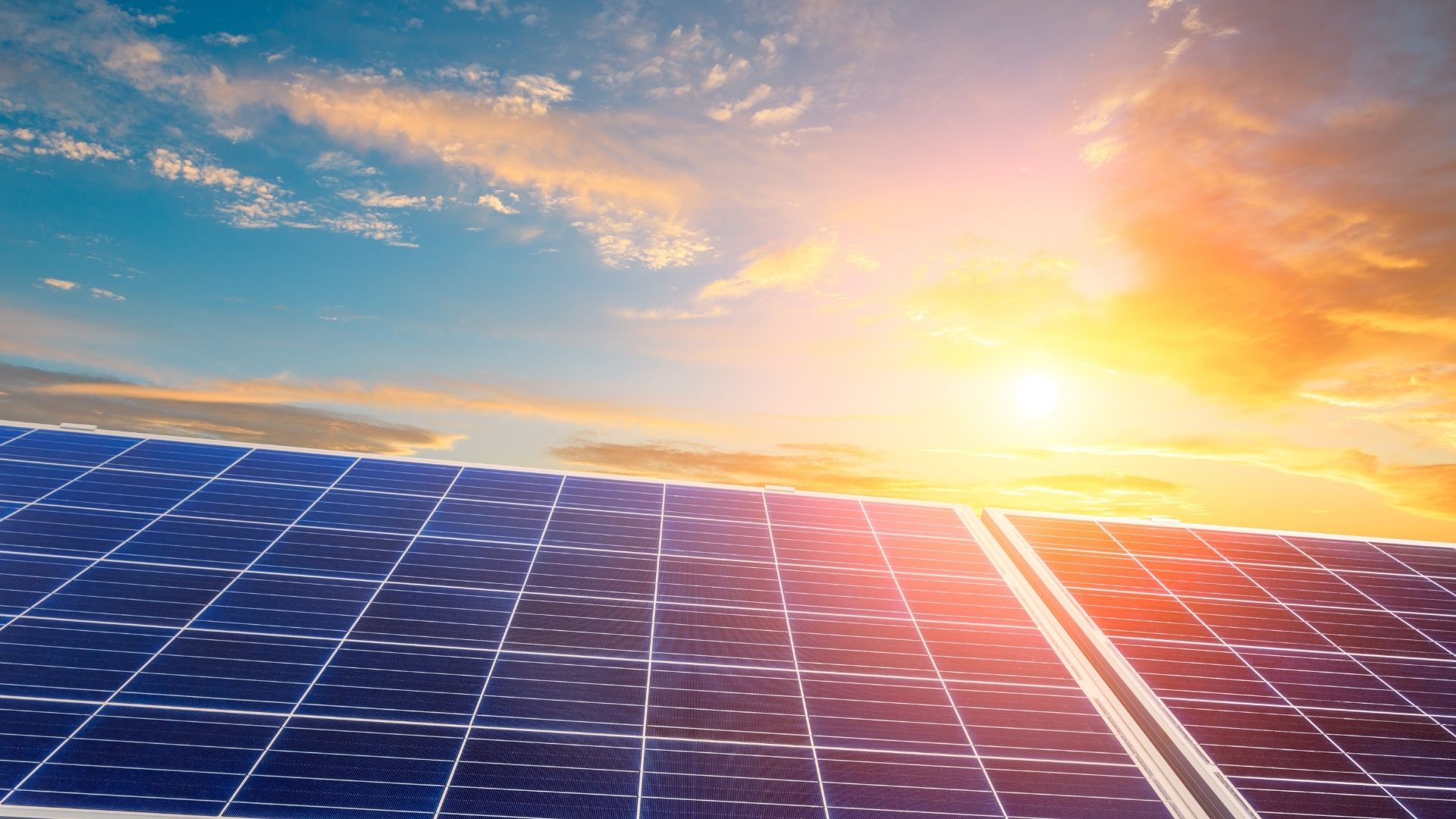
The Dirty Side of Clean Energy: Solar Panels and the E-Waste Crisis of 2030
Renewable energy sources—especially solar power—are seen as a promising solution in the fight against carbon emissions. However, one often overlooked reality is this: What happens when solar panels reach the end of their life cycle?
⚠️ What Awaits Us in 2030?
According to the Global E-Waste Monitor 2024 by the United Nations, if not managed properly, photovoltaic panels could generate 2.4 billion kilograms (2.4 million tons) of electronic waste by 2030 [Source]. This isn’t just an environmental threat—it’s also a massive economic loss. Valuable materials like silver, aluminum, and silicon within solar panels could go to waste and contribute to heavy metal pollution.
🌍 Clean Energy, Dirty Future?
Solar power may be clean, but without proper management of solar panel waste, we risk drifting away from our sustainability goals. The key here is ensuring e-waste is processed in licensed recycling facilities.
♻️ Transforming the Future with Mol-e
This is where innovative solutions like Mol-e come into play. Mol-e doesn't just manage household and corporate electronic waste—it also addresses high-tech waste like solar panels by:
- ✅ Directing waste to certified recycling facilities
- ✅ Providing carbon footprint tracking and reporting
- ✅ Recovering valuable metals through sustainable methods
- ✅ Contributing to the circular economy
🌱 Sustainable Energy = Sustainable Recycling
For renewable energy to truly be eco-friendly, we need sustainable lifecycle management of the technology behind it—from production to disposal.
Let’s not forget:“It’s not enough to capture the sun; we must also manage its shadow.”
💡 What Can You Do?
- Integrate solar panel waste into your organization’s e-waste management systems
- Collaborate with integrated e-waste platforms like Mol-e to meet environmental commitments and gain economic value
- Ensure transparent tracking and reporting of your recycling processes