Future-Saving Resources: Electronic Waste and Sustainable Solutions
While digitalization and technological advancements have significantly improved our lives, they have also created a serious environmental issue: Electronic Waste (e-waste). The amount of electronic waste generated globally increases every year, posing a significant threat to both the environment and human health. Improper management and lack of recycling of e-waste lead to the waste of valuable resources and the contamination of our environment. So, why is electronic waste such a big problem, and what solutions can we find?
What is Electronic Waste?
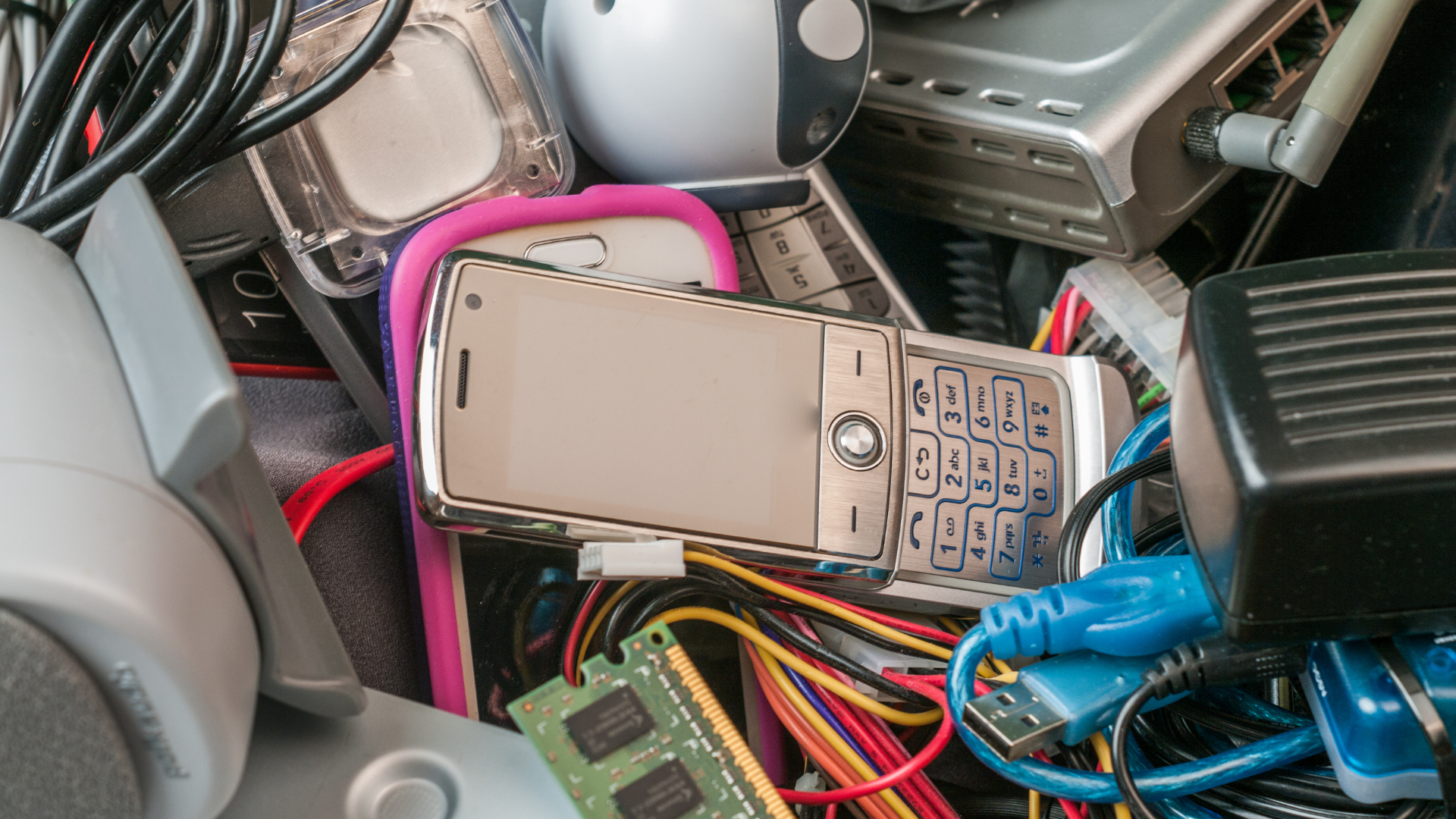
Electronic waste (e-waste) refers to any electrical and electronic devices that have reached the end of their useful life, have broken down, or have become obsolete. These devices include phones, computers, televisions, household appliances, and small electronics. The hazardous chemicals and heavy metals (such as lead, mercury, and cadmium) contained in e-waste can cause long-term environmental damage if improperly disposed of. Moreover, when this waste is thrown away without proper management, it contaminates the soil and groundwater, posing a serious threat to human health.
The Alarming Increase in E-Waste
As our dependence on technology grows, so does the demand for electronic devices. In 2020, approximately 53.6 million tons of electronic waste were generated worldwide. This figure is expected to rise to 74 million tons by 2030, representing an annual increase of about 5%. Unfortunately, only a small portion of this vast amount of e-waste is recycled.
- According to the Global E-Waste Monitor 2020, only 17.4% of electronic waste is officially recycled.
- The remaining e-waste is either sent to landfills or shipped to developing countries, where it is often discarded in uncontrolled environments, leading to severe environmental damage.
The Impact of E-Waste
Electronic waste has significant consequences for both the environment and human health. Improperly disposed of e-waste can lead to the following issues:
- Environmental Pollution: The toxic substances in e-waste can seep into the soil and water sources, polluting them. Heavy metals such as lead, mercury, and cadmium can contaminate agricultural products and groundwater.
- Health Hazards: The heavy metals in electronic waste can cause serious health problems, including skin issues, respiratory diseases, and even cancer. Additionally, the burning of e-waste releases toxic fumes that contribute to air pollution.
- Depletion of Natural Resources: E-waste contains valuable materials such as gold, silver, and copper. Failing to recycle these resources leads to the depletion of natural reserves, as new materials must be extracted, causing further environmental damage.
Managing E-Waste: What Needs to Be Done?
The rapid increase in electronic waste highlights the urgent need for effective e-waste management to ensure a sustainable future. Both individuals and organizations, as well as governments, have a critical role to play. Here are some essential measures to address the e-waste problem:
- Recycling: Sending e-waste to recycling centers helps protect the environment and recover valuable resources. Instead of throwing electronic devices in the trash, they should be delivered to authorized recycling points.
- Choosing Sustainable Products: Opting for more durable, repairable, and recyclable products is one of the most effective ways to reduce e-waste. Extending the lifespan of technological devices through repairs is also crucial in reducing waste.
- Second-Hand Use and Donations: Working, but unused, electronic devices can be donated to those in need or sold as second-hand products. This extends the lifespan of devices and reduces the amount of waste generated.
- Education and Awareness: Individuals and companies need to be better informed about the harmful effects of electronic waste. Education programs and awareness campaigns can help raise consciousness about proper e-waste management.
Mol-e: A New Solution for Electronic Waste Management
For businesses and organizations, Mol-e offers a software solution that facilitates and monitors e-waste management processes. With Mol-e, companies can track, report, and optimize the recycling of their electronic waste, making significant strides toward their sustainability goals.
Conclusion: The Time to Act on E-Waste is Now
Electronic waste is an inevitable byproduct of modern life. However, the rapidly growing problem of e-waste poses a serious threat to our future. To protect the environment and avoid wasting valuable natural resources, effective e-waste management is essential. Through recycling and adopting sustainable consumption habits, we can contribute to solving this issue.
Remember, electronic waste is not trash—it's a valuable resource that can be recovered and used to build a better future. Every electronic device, when handled properly, is an investment in the environment and the generations to come.